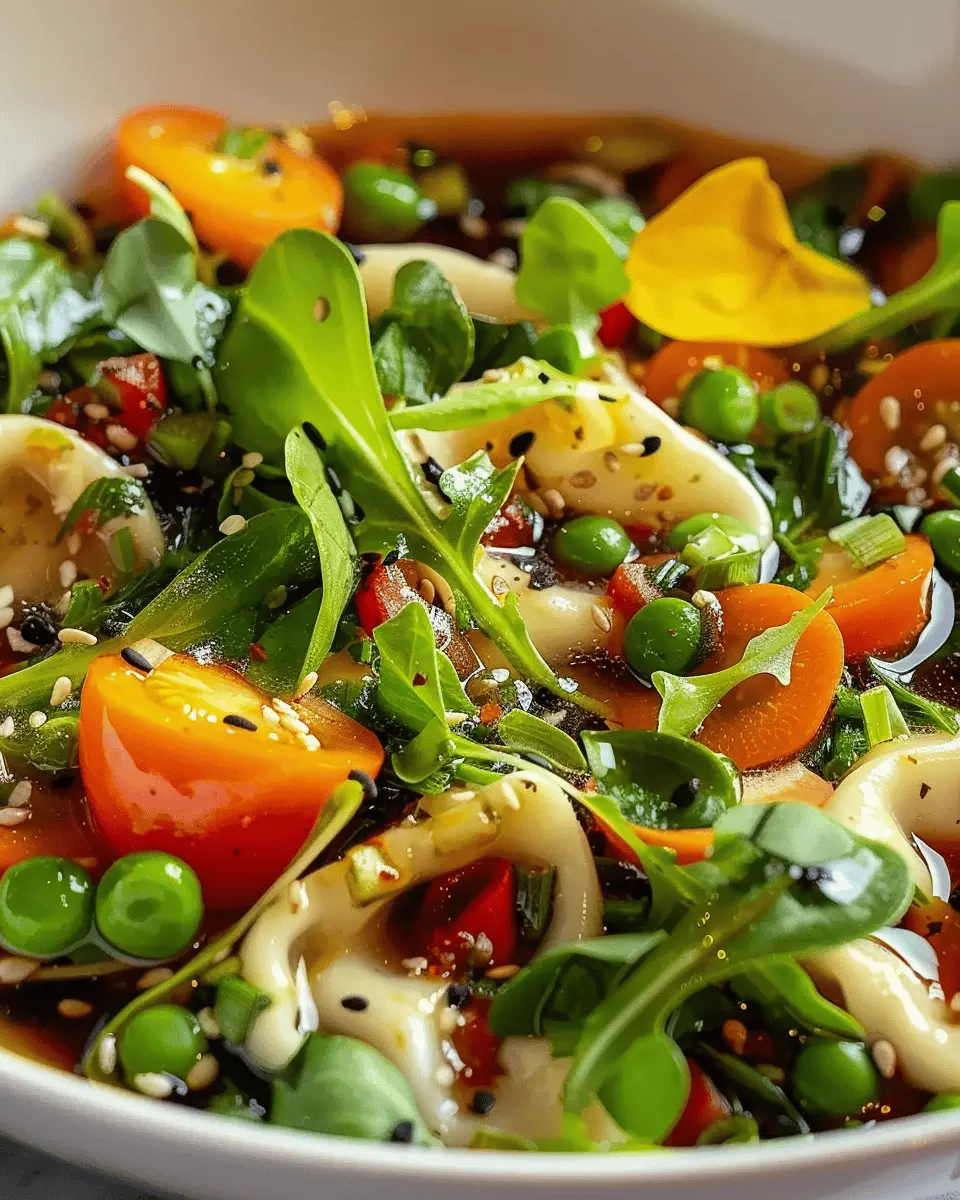
Introduction to Vegetarian Recipes
Why Choose Vegetarian Recipes for a Healthier Lifestyle?
In today’s fast-paced world, the idea of adopting a vegetarian diet may seem a bit daunting, but the benefits are plentiful. Research suggests that a vegetarian diet can lower the risk of chronic diseases, maintain a healthy weight, and improve overall well-being. For instance, a study published in the Journal of Nutrition highlights that those who incorporate more plant-based meals often see benefits like improved heart health and reduced diabetes risk.
But let’s be real—embracing vegetarianism isn’t just about health metrics; it’s also about discovering a culinary adventure! By exploring creative vegetarian recipes, you can turn mundane meal preparation into an exciting endeavor. Think about it: with vibrant vegetables, flavorful spices, and hearty legumes, every meal can be a delicious and colorful delight. Plus, there’s a certain satisfaction in knowing you’re fueling your body with wholesome, nutrient-rich foods.
The Benefits of Cooking at Home Versus Fast Food
One of the biggest advantages of preparing your own meals is the control it gives you over what enters your body. When you whip up a vegetarian recipe in your kitchen, you decide the ingredients and the portion sizes. This key factor can significantly reduce unhealthy snacking and excessive caloric intake. A home-cooked meal allows you to:
- Experiment with new flavors and textures
- Tailor meals to your personal dietary needs
- Avoid additives and preservatives commonly found in fast food
Moreover, cooking at home can be more economical than regularly dining out. By investing in staples like grains, beans, and seasonal vegetables, you can create multiple meals that are both nourishing and budget-friendly. Plus, who wouldn’t love the smell of freshly simmered lentils wafting through their home?
If you need some inspiration, check out Plant Based News for innovative ideas and tips on making the most of your vegetarian meals. Remember, choosing to cook at home isn’t just about feeding your body; it’s an opportunity to connect with your food and cultivate lasting healthy habits. Embrace the art of cooking, and your taste buds will thank you!
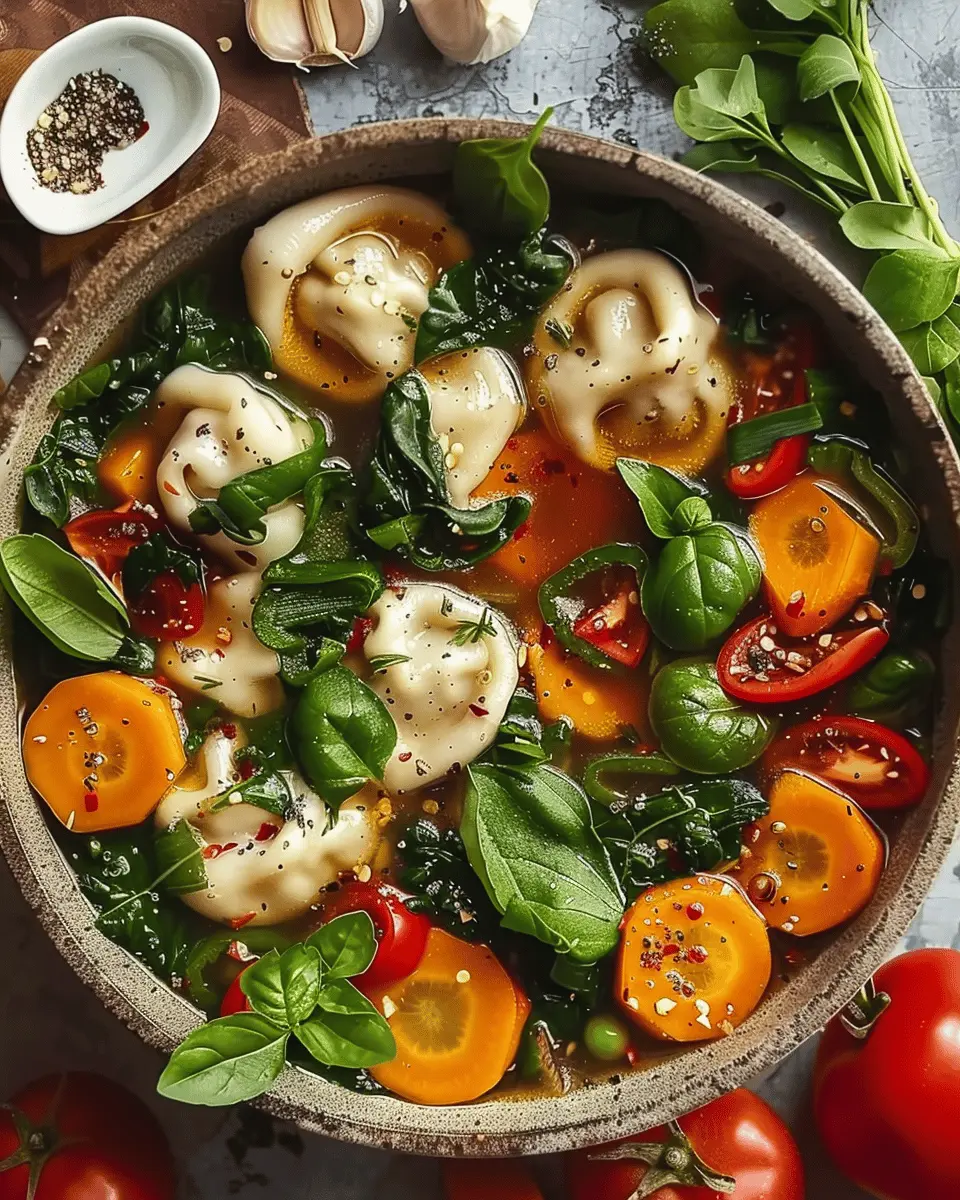
Essential Ingredients for Vegetarian Recipes
Fresh vegetables you can’t skip
When crafting a delightful vegetarian recipe, fresh vegetables are the star of the show. Don’t overlook staples like:
- Spinach — Ideal for salads, soups, or sautéed dishes.
- Bell Peppers — Add color and sweetness; perfect for stir-fries and tacos.
- Carrots — Crunchy and versatile, great for snacking or soups.
- Tomatoes — Essential for sauces, salads, and even as a juicy snack.
- Zucchini — This versatile squash works in everything from pasta to casseroles.
Having a variety of these on hand not only enhances flavor but also boosts nutritional value. Did you know that diets rich in vegetables can reduce the risk of chronic diseases, according to the CDC?
Pantry staples for every vegetarian kitchen
Every seasoned home cook knows the power of pantry staples. For your kitchen, keep these essentials for your vegetarian recipe groundwork:
- Beans (canned or dried) — Packed with protein, they are perfect for salads, chili, or dips.
- Whole grains — Quinoa, brown rice, and oats are filling and nutritious.
- Olive oil and coconut oil — Use them for cooking or dressing salads.
- Spices and herbs — Think cumin, turmeric, basil, and garlic powder; they transform flavors.
- Vegetable broth — A rich base for soups, stews, and marinades.
By stocking your kitchen with these essentials, you’ll be ready to whip up a delightful vegetarian meal at a moment’s notice. Need inspiration? Check out popular resources like Love and Lemons for a plethora of delicious vegetarian recipes!
Preparing Vegetarian Recipes
When it comes to crafting a delicious vegetarian recipe, preparation is key to ensuring a satisfying dining experience. Whether you’re a seasoned chef or a home cook just starting, breaking down your cooking process makes things smoother and more enjoyable. Let’s delve into how to whip up scrumptious vegetarian meals step by step.
Gather Your Ingredients
The first step in your cooking adventure is to gather all your ingredients. Unlike a meat-based recipe, vegetarian dishes allow for a myriad of colorful vegetables, grains, and plant-based proteins. This variety not only makes your meal healthier, but it’s also a feast for the eyes!
- Fresh Vegetables: Think bell peppers, zucchini, kale, or anything seasonal. The more vibrant, the better!
- Grains and Legumes: Quinoa, lentils, brown rice, and chickpeas can provide protein and texture.
- Herbs and Spices: Don’t underestimate the power of flavor; basil, cumin, and rosemary can take a dish from bland to grand.
- Plant-Based Fats: Olive oil, coconut oil, and avocados can enhance both flavor and nutritional value.
As you assemble your ingredients, consider checking out The Spruce Eats for seasonal vegetable ideas to elevate your vegetarian recipe game.
Prepping Your Vegetables
Preparation is where the magic begins. Cleaning, chopping, and marinating your vegetables can significantly enhance flavors and textures.
- Washing: Always start by thoroughly washing your veggies to remove any dirt or pesticides.
- Chopping: Slice, dice, or julienne your vegetables as needed. Uniform sizes ensure even cooking, so try to keep your cuts consistent.
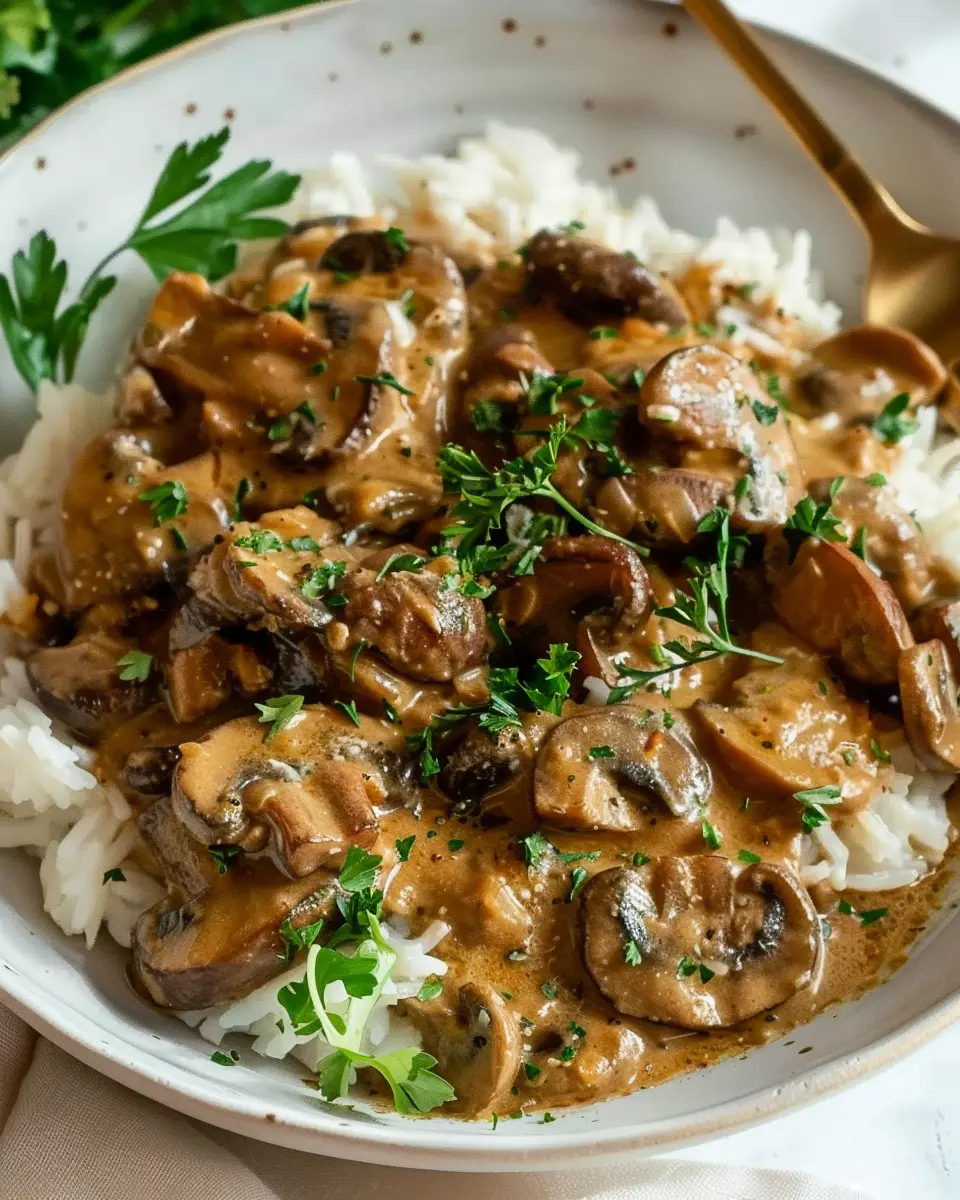
- Marinating: For added flavor, consider marinating vegetables in your favorite spices or dressings for at least 30 minutes before cooking. This step is especially great for hearty vegetables like eggplant or mushrooms because they absorb flavors like a sponge!
Remember, the goal is to maximize flavor while keeping the prep fun. Put on some music or a podcast to make the effort feel less like work and more like a joyful culinary adventure.
Cooking Techniques for Perfect Vegetarian Meals
Once your ingredients are prepped, the next step is cooking them to perfection. Several methods can elevate your dish:
- Sautéing: Quick and effective for tender vegetables. Stir in garlic and onions first for aromatic delights.
- Roasting: This method caramelizes natural sugars in vegetables, enhancing their flavors. Toss with olive oil and herbs, then roast in the oven at 400°F until golden brown.
- Steaming: Retains nutrients and bright colors. A steaming basket can be your best friend when cooking delicate veggies like asparagus.
- Grilling: Ideal for summer gatherings! Grilling adds a delightful smoky flavor and makes veggies charred yet tender.
Don’t hesitate to experiment with combinations that suit your palate and lifestyle! The beauty of cooking is that it’s all about finding what works for you.
Plating and Presentation Tips
Never underestimate the importance of presentation! After all, we eat with our eyes first. Here are some simple tips to elevate your plating game:
- Color Contrast: Use a variety of colors on the plate to make the dish visually appealing. Pair golden roasted bell peppers with a vibrant green pesto sauce.
- Height: Create height by stacking components rather than laying them flat. This not only looks attractive but can also make the dish feel more substantial.
- Garnishes: A sprinkle of fresh herbs or a squeeze of lemon juice can add a final touch that elevates your dish.
- Serve in Unique Dishes: Consider using bowls or rustic platters to give the meal a personal touch.
By following these steps, you’ll craft a delightful vegetarian dish that isn’t just tasty but is also visually stunning. Cooking should be fun and rewarding, so enjoy the process, and savor every bite of your vegetarian recipe!
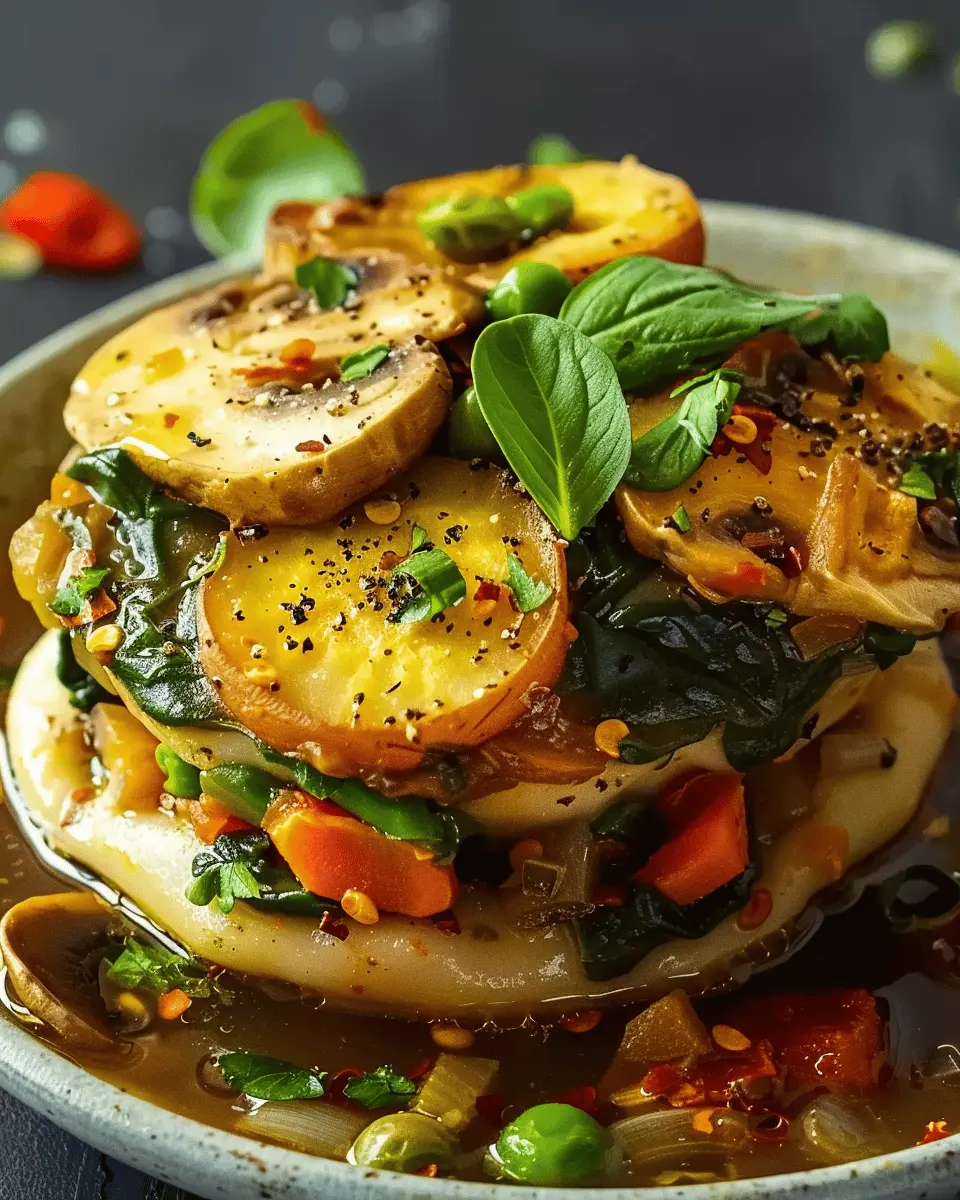
Variations on Vegetarian Recipes
Exploring Regional Vegetarian Dishes
Vegetarian cuisine is a global affair, brimming with unique flavors and cooking techniques that stem from various cultures. Take Indian cuisine, for instance, renowned for its vibrant use of spices in dishes like paneer tikka or dal. These meals are not only hearty but showcase the beautiful integration of legumes and dairy. Similarly, Mediterranean diets often revolve around fresh vegetables, olives, and chickpeas, offering dishes like falafel and tabbouleh that are rich in nutrients. Exploring these diverse regional vegetarian recipes can inspire your own cooking. You might even find your new favorite meal!
For a deeper dive, check out this article on global vegetarian dishes to master the art of international flavors in your kitchen.
Creative Twists on Classic Vegetarian Recipes
While classic vegetarian recipes like stuffed bell peppers or vegetable stir-fries are fantastic staples, adding a creative twist can elevate your meals. Consider swapping traditional grains for something like quinoa or farro in your dishes. This not only adds a nutty flavor but also packs a nutritional punch.
Another idea is to experiment with different spices or herbs. Tossing in some smoked paprika or fresh basil can change the profile of a simple dish entirely. Feel adventurous? Try incorporating Turkey Bacon or replacing common sides with innovative options like cauliflower rice instead of regular rice.
Why not take a classic caprese salad and infuse it with a touch of balsamic glaze and cherry tomatoes grilled to perfection? The possibilities are endless with vegetarian recipes!
Embracing these adjustments will not only enhance your culinary skills but also keep your meals exciting and satisfying. After all, who said vegetarian cuisine has to be plain?
Cooking Tips and Notes for Vegetarian Recipes
Common mistakes to avoid
When diving into a vegetarian recipe, it’s easy to overlook some details. One common mistake is under-seasoning vegetables. Fresh produce can be quite bland on its own, so don’t be shy with spices and herbs! Also, avoid relying solely on tofu or tempeh as your protein source. Incorporate a variety of beans, lentils, and nuts to diversify flavors and nutrients.
Another pitfall is not prep-cooking your grains, like quinoa or brown rice, ahead of time. This can save you lots of effort during mealtime. Lastly, be careful with overcooking your veggies; they should be tender yet vibrant.
Substitutions for your favorite non-vegetarian ingredients
Craving that classic savory punch? Try smoked paprika or liquid smoke as alternatives to Turkey Bacon for that depth of flavor. If your recipe calls for Chicken Ham, consider using mushroom-based products for a meaty texture.
For even more ideas, explore resources like the Vegetarian Times or the Plant Based News. Your vegetarian recipe can be just as fulfilling and flavorful as any non-vegetarian option!
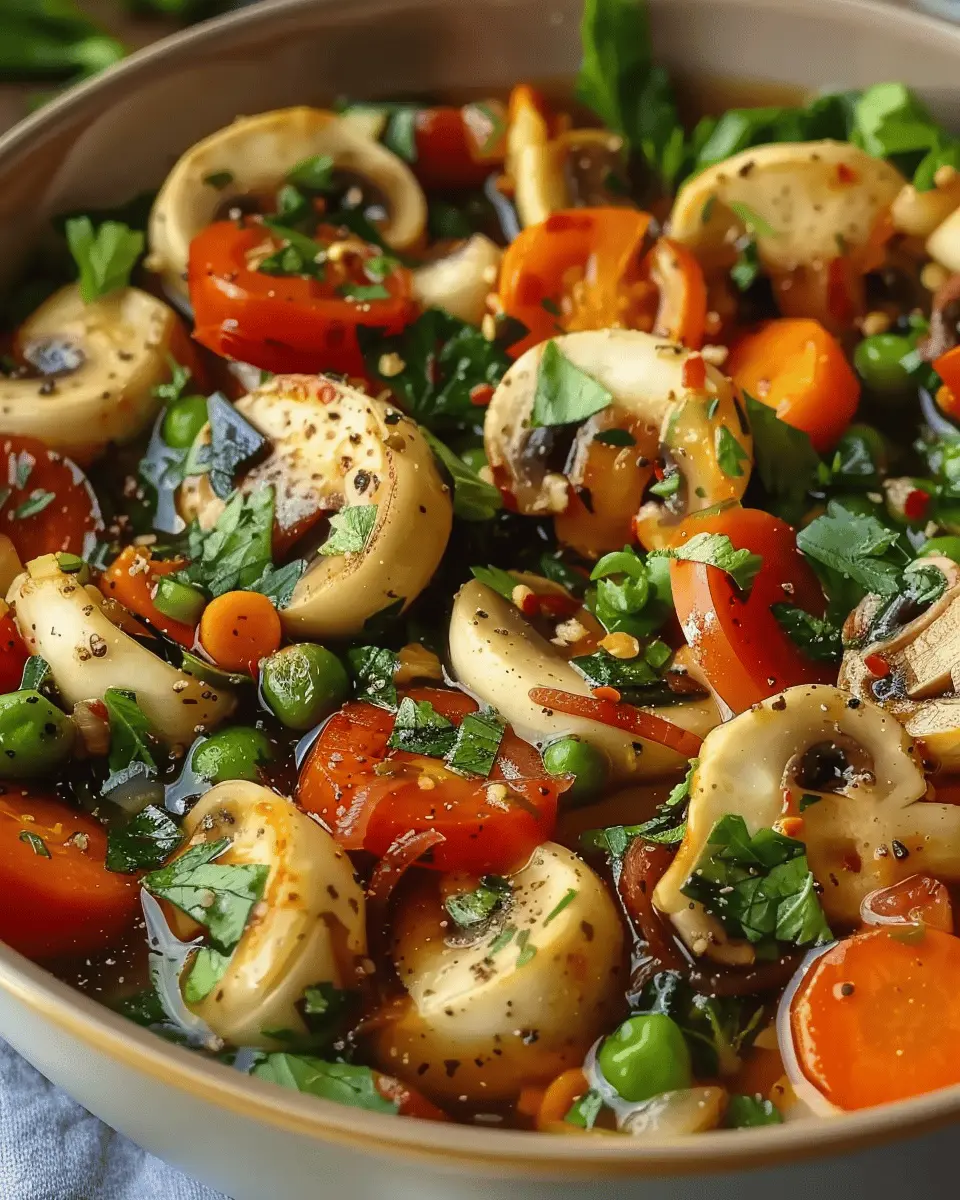
Serving Suggestions for Vegetarian Recipes
When it comes to serving your vegetarian recipes, the right accompaniments can elevate your meal from good to unforgettable!
Side Dishes that Complement Vegetarian Meals
Pairing your main dish with the right sides can make all the difference. Consider these options:
- Roasted vegetables: Carrots, bell peppers, and squash add a colorful, nutritious touch.
- Quinoa salad: A light and protein-packed option that adds a refreshing element.
- Garlic bread: Perfect for soaking up any sauces and a universally loved comfort food.
- Crispy tofu bites: For an extra protein kick and delightful crunch, these are a hit.
Pairing Drinks with Your Dishes
What you sip can truly enhance the flavors of your meal. Opt for:
- Herbal teas: A fragrant chamomile or mint tea can cleanse the palate beautifully.
- Sparkling water with a splash of citrus: This fizzy drink adds a touch of refreshment without competing with the meal’s flavors.
- Smoothies: A delicious berry or green smoothie can serve as both a side drink or dessert, offering a sweet finish to your culinary experience.
By thoughtfully selecting sides and beverages, you can transform your vegetarian recipes into a memorable feast. For more inspiration, check out these vegetarian cooking resources or herb pairing suggestions.
Time Breakdown for Vegetarian Recipes
When diving into a vegetarian recipe, managing your time efficiently can make all the difference. Here’s a quick guide to help you streamline your cooking process.
Preparation time
Typically, you’ll want to set aside about 15 to 30 minutes for preparation. This includes chopping veggies, measuring spices, and gathering your ingredients. If you’re making something with lots of components, like a hearty vegetable stir-fry, aim for the longer end of that range.
Cooking time
Most vegetarian recipes take between 20 to 40 minutes to cook. Dishes like vegetable curries and pasta primavera fall usually on the shorter end, while casseroles might take up to 50 minutes.
Total time
In total, expect to spend around 35 to 70 minutes from start to finish. This gives you ample time to enjoy the process of cooking without feeling rushed. So, pour yourself a nice beverage and relish the art of creating a delicious vegetarian meal!
Want inspiration on prep techniques? Check out Serious Eats for efficient chopping methods!
Nutritional Facts for Vegetarian Recipes
Caloric Breakdown
When diving into a vegetarian recipe, you’ll often find that the caloric content is lower than traditional meat-based dishes. A well-balanced vegetarian meal typically contains around 300-500 calories, depending on the ingredients. This makes it an excellent option for those watching their weight but still wanting to enjoy satisfying meals. Remember, the key is to include a variety of vegetables, whole grains, and healthy fats for an optimal balance.
Key Nutrients in Vegetarian Meals
Vegetarian meals are rich in essential nutrients, making them not only delicious but also highly nutritious. Here are some standout components:
- Protein: Legumes, nuts, and dairy alternatives provide ample protein, which is crucial for muscle repair and growth.
- Fiber: A plant-based diet is naturally high in fiber, promoting digestive health and keeping you full longer.
- Vitamins and Minerals: Ingredients such as leafy greens, beans, and seeds are packed with vitamins A, C, and E, along with important minerals like iron and calcium.
Interestingly, incorporating more vegetarian options can lead to a healthier lifestyle. Studies suggest that vegetarian diets are linked to lower risks of chronic diseases. For more insights, check out resources from the Academy of Nutrition and Dietetics.
Whether you’re a seasoned vegetarian or just exploring plant-based meals, remember to enjoy your culinary journey!
FAQs about Vegetarian Recipes
How can I ensure my vegetarian meals are balanced?
Balancing your vegetarian meals is essential for overall health and energy. Here are some tips to make sure your diet is nutritionally complete:
- Incorporate Variety: Include a mix of grains, legumes, nuts, seeds, fruits, and vegetables. Each food group offers different nutrients, so variety is key.
- Focus on Protein Sources: Eggs, dairy, tofu, and legumes can help you get enough protein. Try a delicious vegetarian recipe that includes black beans or chickpeas for a hearty meal.
- Consider Iron and Vitamin B12: Be mindful of your iron intake, which can come from leafy greens and fortified cereals, and don’t forget to eat foods rich in vitamin C to enhance absorption.
What are some quick vegetarian meals for busy professionals?
When life gets hectic, having a few quick vegetarian meals in your back pocket can save time and support your health. Consider these easy options:
- Veggie Stir-Fry: Toss your favorite vegetables with soy sauce and serve over rice or quinoa. It’s a quick meal that’s deliciously customizable.
- Chickpea Salad: Mix canned chickpeas, cucumbers, tomatoes, and a dash of olive oil for a refreshing lunch in minutes.
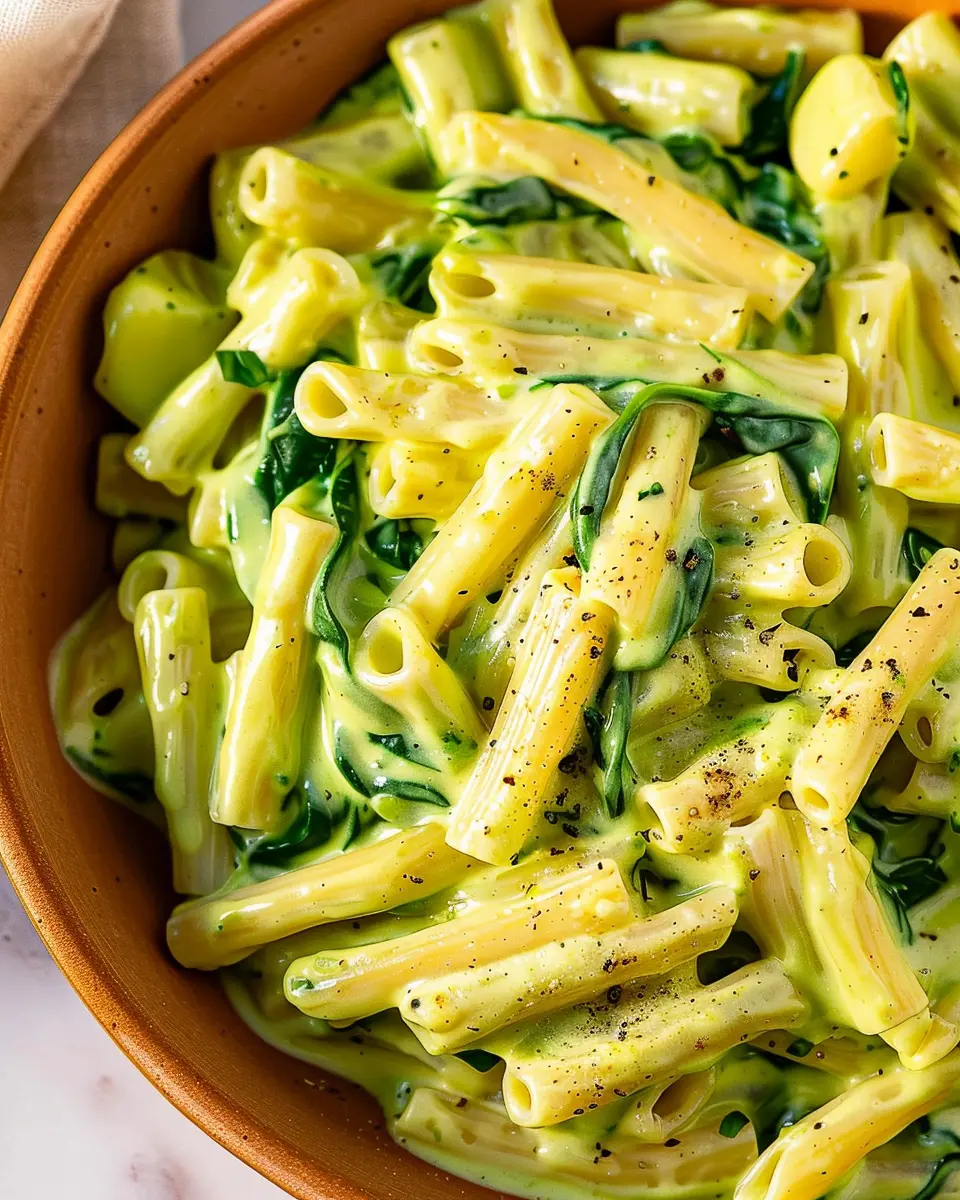
- Pasta Primavera: Quickly sauté veggies in olive oil, toss with whole-grain pasta, and sprinkle with Parmesan cheese for a filling dinner.
Are vegetarian recipes cost-effective?
Absolutely! Vegetarian meals can be incredibly budget-friendly. Staples like beans, rice, lentils, and seasonal vegetables are often less expensive than meat. Additionally, by planning your meals around what’s on sale or in season, you can save even more.
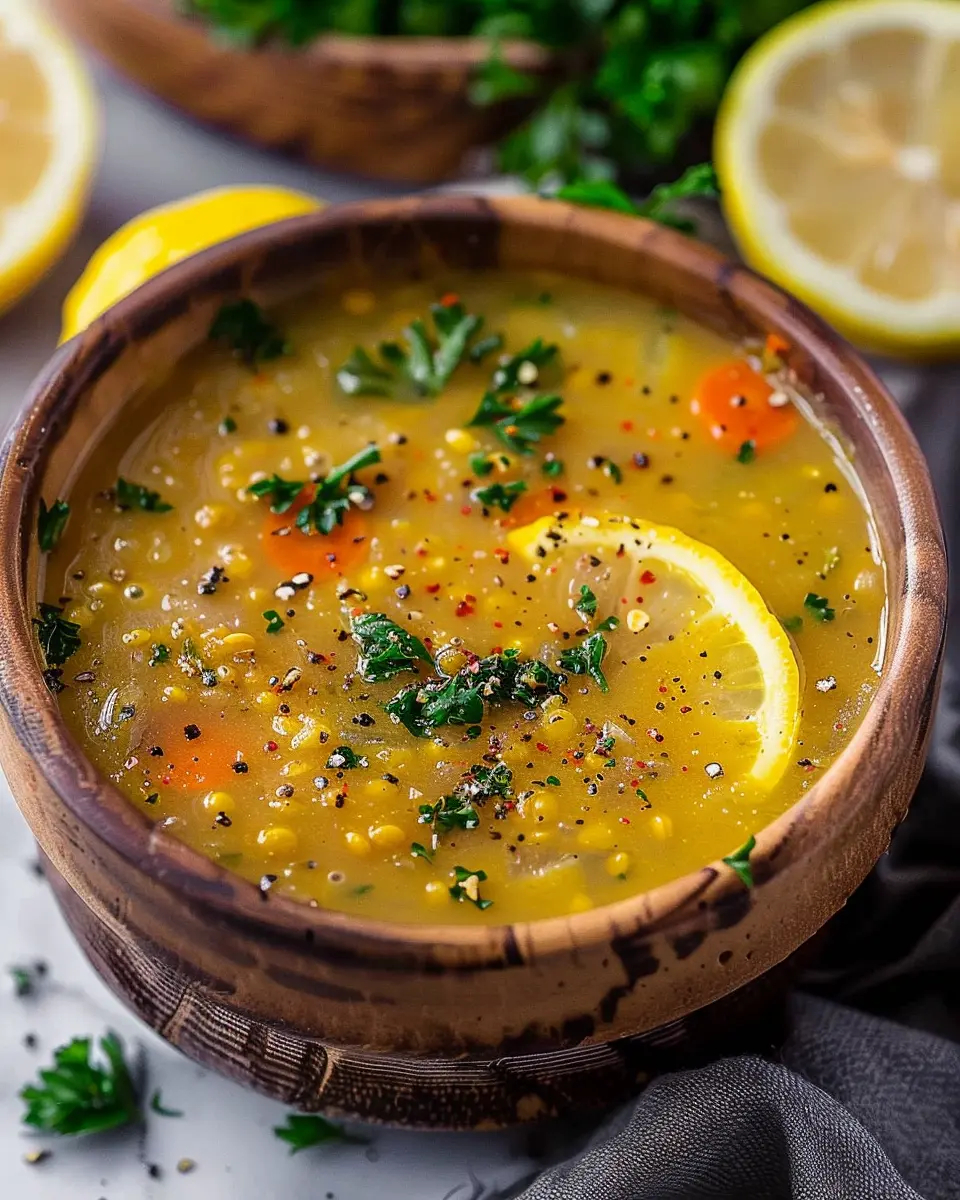
For instance, a vegetarian recipe featuring a hearty lentil soup can feed you for days while costing just a fraction of meat-based dishes. By incorporating recipes that use freezer-friendly ingredients, such as frozen vegetables, you can also minimize waste and maximize savings.
For further inspiration on budget-friendly vegetarian options, check out resources like Frugal Vegan for practical tips and recipes to get you started!
Conclusion on Vegetarian Recipes
Encouragement to Try Cooking at Home
Cooking at home can be an exciting adventure, especially when exploring delicious vegetarian recipes. Experimenting with new ingredients and techniques not only enhances your culinary skills but also brings a sense of accomplishment. Why not pick a weekend to dive into a hearty vegetable stir-fry or a refreshing quinoa salad? The hands-on experience can be truly rewarding, and you might just discover a new favorite dish!
Final Thoughts on Embracing a Vegetarian Lifestyle
Embracing a vegetarian lifestyle is more than just a diet; it’s a commitment to health, sustainability, and compassion. By incorporating vegetarian recipes into your routine, you’re not only nourishing your body but also contributing positively to the environment. Remember, even small changes can lead to significant impacts. So, get creative, explore diverse cuisines, and have fun with your meals. You might be surprised at how delicious being vegetarian can be! For resources and inspiration, check out The Vegetarian Society for tips and ideas.
Print
Vegetarian Recipe: Easy and Flavorful Dishes for Everyone
Discover a collection of easy and flavorful vegetarian recipes that are perfect for everyone. These dishes are designed to be simple yet delicious, catering to various tastes and preferences.
- Total Time: 35 minutes
- Yield: 4 servings 1x
Ingredients
- 2 cups quinoa
- 1 tablespoon olive oil
- 3 cups vegetable broth
- 1 teaspoon salt
- 1 teaspoon black pepper
- 1 cup cherry tomatoes, halved
- 1 cup spinach, chopped
- 1 avocado, diced
Instructions
- Rinse the quinoa under cold water.
- In a saucepan, heat the olive oil over medium heat.
- Add the quinoa and toast for 2-3 minutes.
- Pour in the vegetable broth and add the salt and pepper.
- Bring to a boil, then reduce the heat and simmer for 15 minutes.
- Remove from heat and let it sit covered for 5 minutes.
- Fluff the quinoa with a fork and stir in the cherry tomatoes, spinach, and avocado.
- Serve warm or at room temperature.
Notes
- For added flavor, consider adding herbs like basil or cilantro.
- This dish can be served as a side or a main course.
- Prep Time: 15 minutes
- Cook Time: 20 minutes
- Category: Vegetarian
- Method: Stovetop
- Cuisine: Mediterranean
- Diet: Vegetarian
Nutrition
- Serving Size: 1 cup
- Calories: 250
- Sugar: 2g
- Sodium: 400mg
- Fat: 10g
- Saturated Fat: 1g
- Unsaturated Fat: 9g
- Trans Fat: 0g
- Carbohydrates: 37g
- Fiber: 5g
- Protein: 8g
- Cholesterol: 0mg
Keywords: Vegetarian Recipe, Easy Vegetarian Dishes, Flavorful Vegetarian Meals