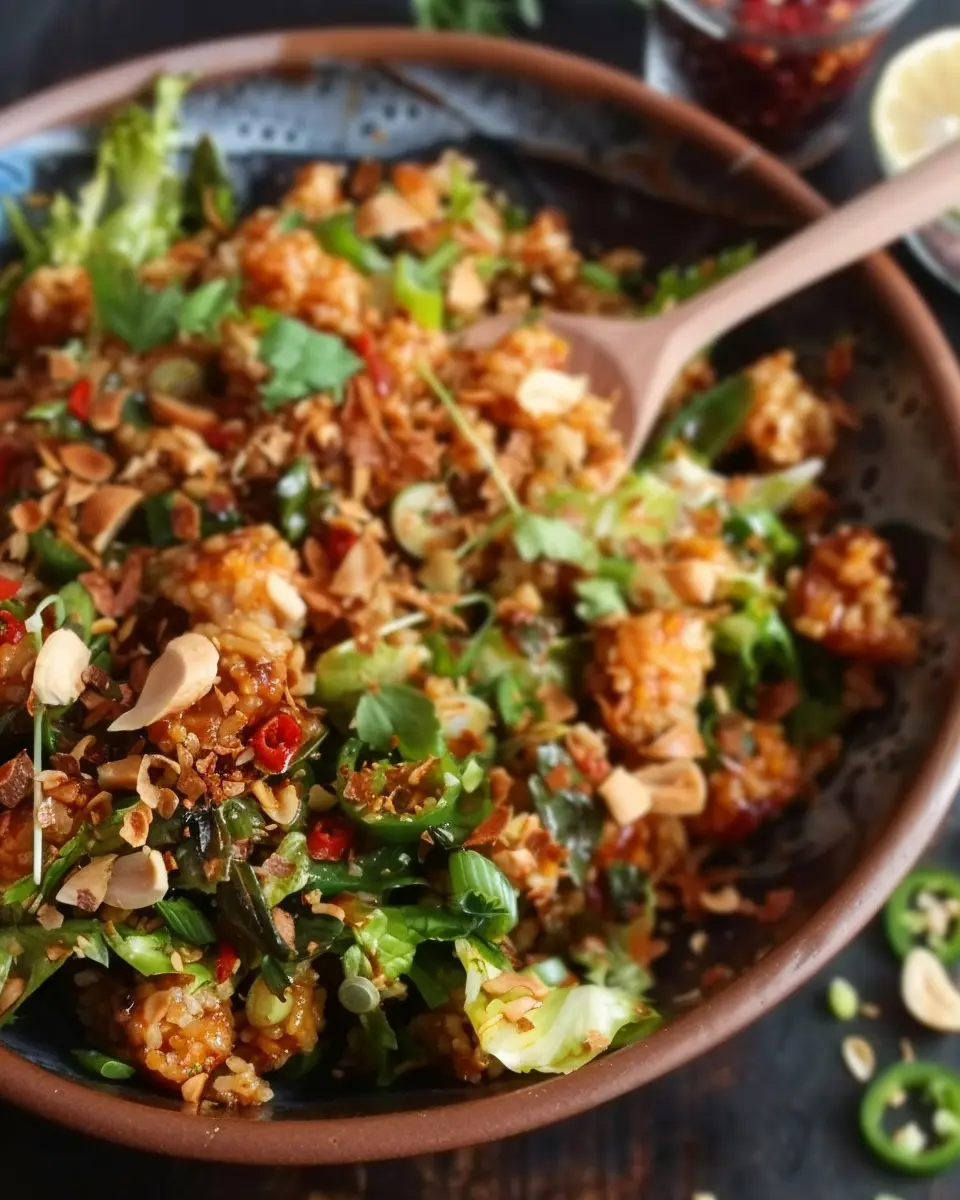
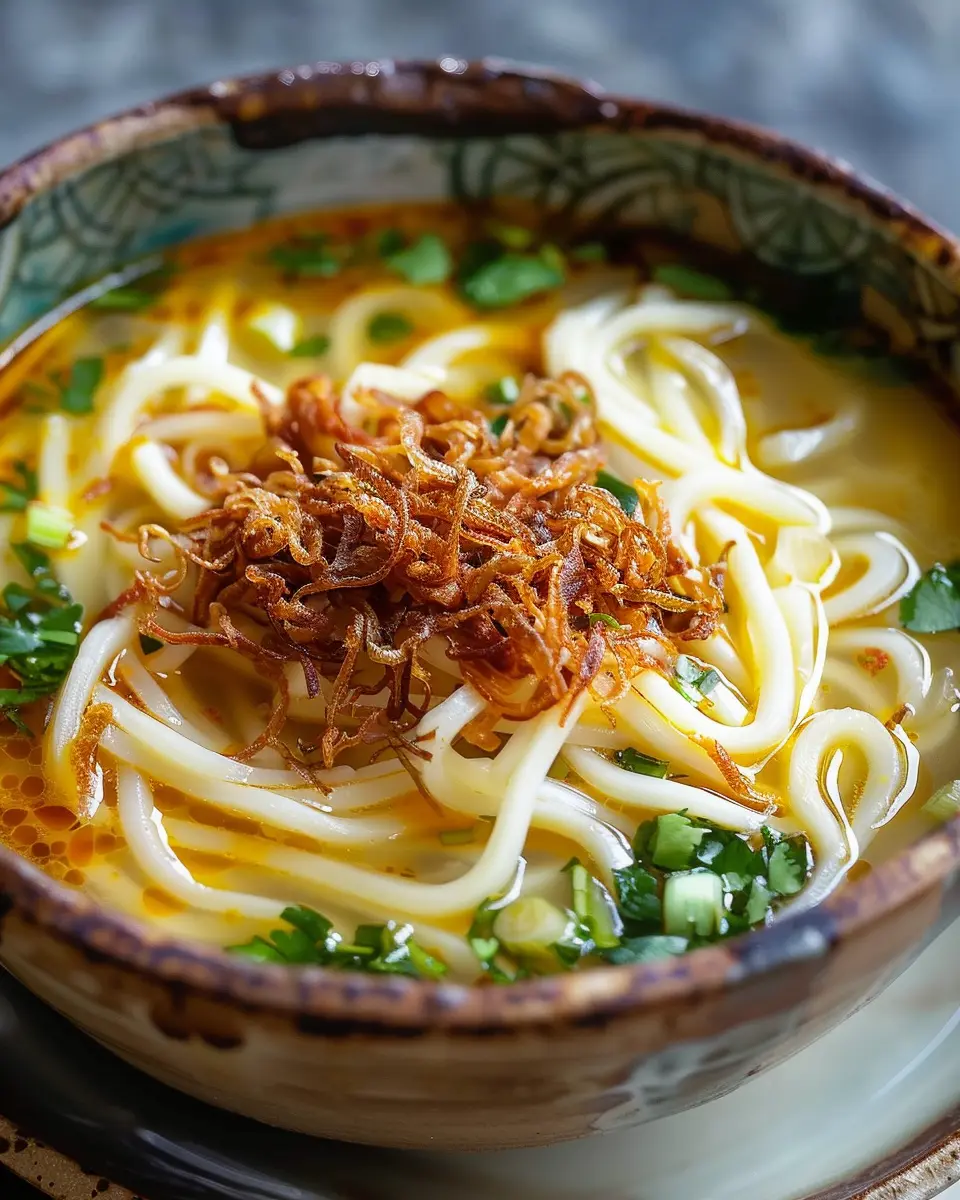
Introduction to Persian Noodle Soup (Ash Reshteh)
What is Persian Noodle Soup?
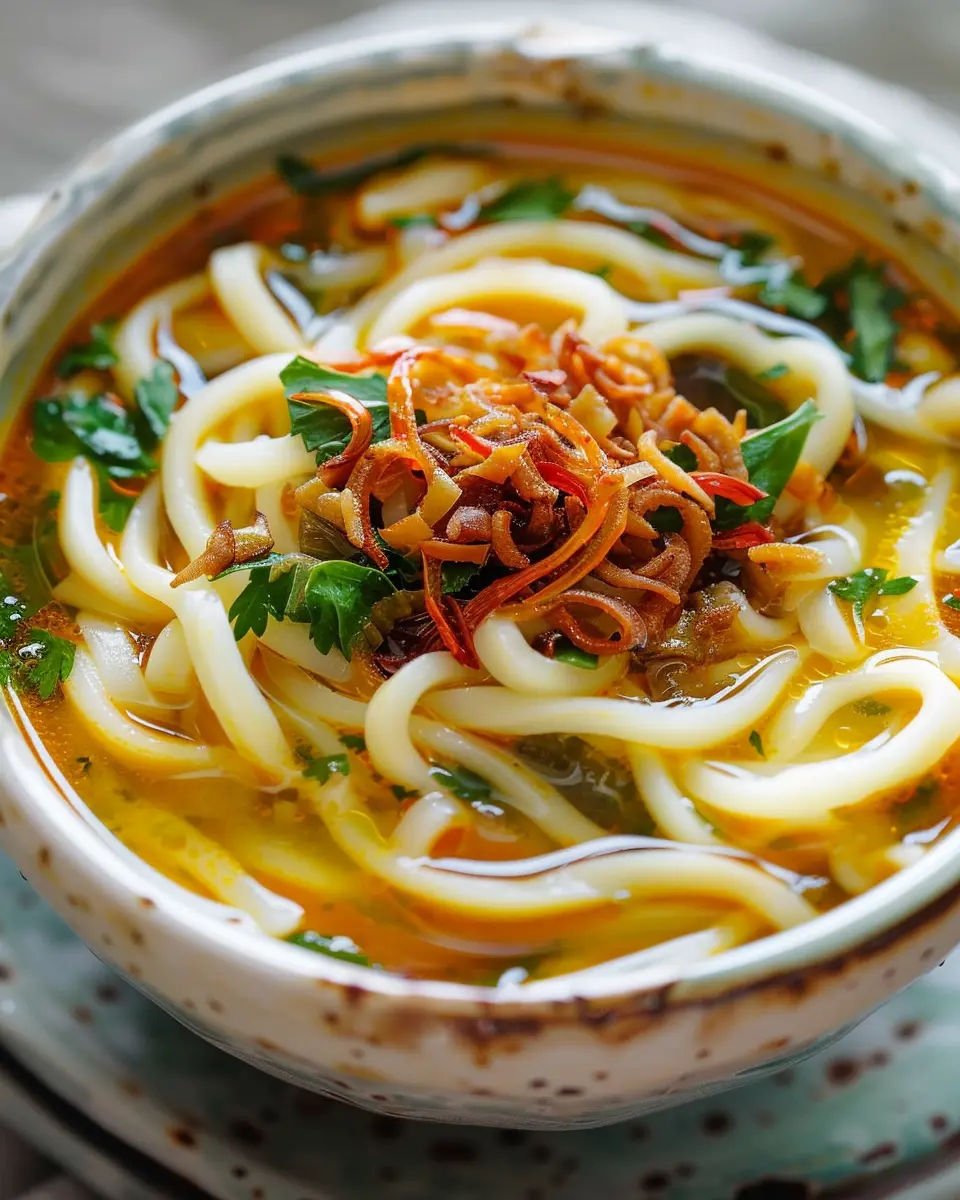
If you’re looking to dive into the rich flavors of Persian cuisine, Ash Reshteh should be at the top of your list. This traditional noodle soup is a beloved comfort food in Iran and is often enjoyed during special occasions or family gatherings. At its heart, Ash Reshteh combines hearty ingredients like lentils, beans, and fresh herbs, making it both nutritious and filling. You’ll find reshteh—the Persian noodles—play a vital role, adding a delightful texture that rounds out the dish. As you savor each spoonful, you’ll notice layers of complexity with flavors from sautéed onions, turmeric, and a splash of tangy kashk, a fermented whey that elevates the soup to new heights.
Why you’ll love making it at home
Now, you might be wondering why you should tackle this Persian noodle soup recipe in your own kitchen. For starters, making Ash Reshteh at home allows you to control the ingredients, ensuring everything is fresh and tailored to your taste. Whether you prefer extra herbs or perhaps a slightly thicker broth, the kitchen is your blank canvas.
Crafting this soup can also be a meditative experience—watching the colors blend and the aromas mingle reminds us of the beauty of cooking. Plus, it’s a fantastic dish to share with friends or family. Did you know that enjoying a warm bowl of soup can increase feelings of connectedness and comfort? This makes Ash Reshteh perfect for cozy dinners or gatherings.
Lastly, this dish is highly adaptable. Whether you stick to traditional recipes or add your own twist, the result is bound to impress. So, gather your ingredients and get ready to explore the comforting world of Persian cuisine. For a deeper dive into the cultural significance of Ash Reshteh and other traditional Persian dishes, check out resources from sites like Persian Mama and Taste of Home. You’ll be not only satisfying your hunger but also nourishing your curiosity!
Ingredients for Persian Noodle Soup
Essential ingredients for Ash Reshteh
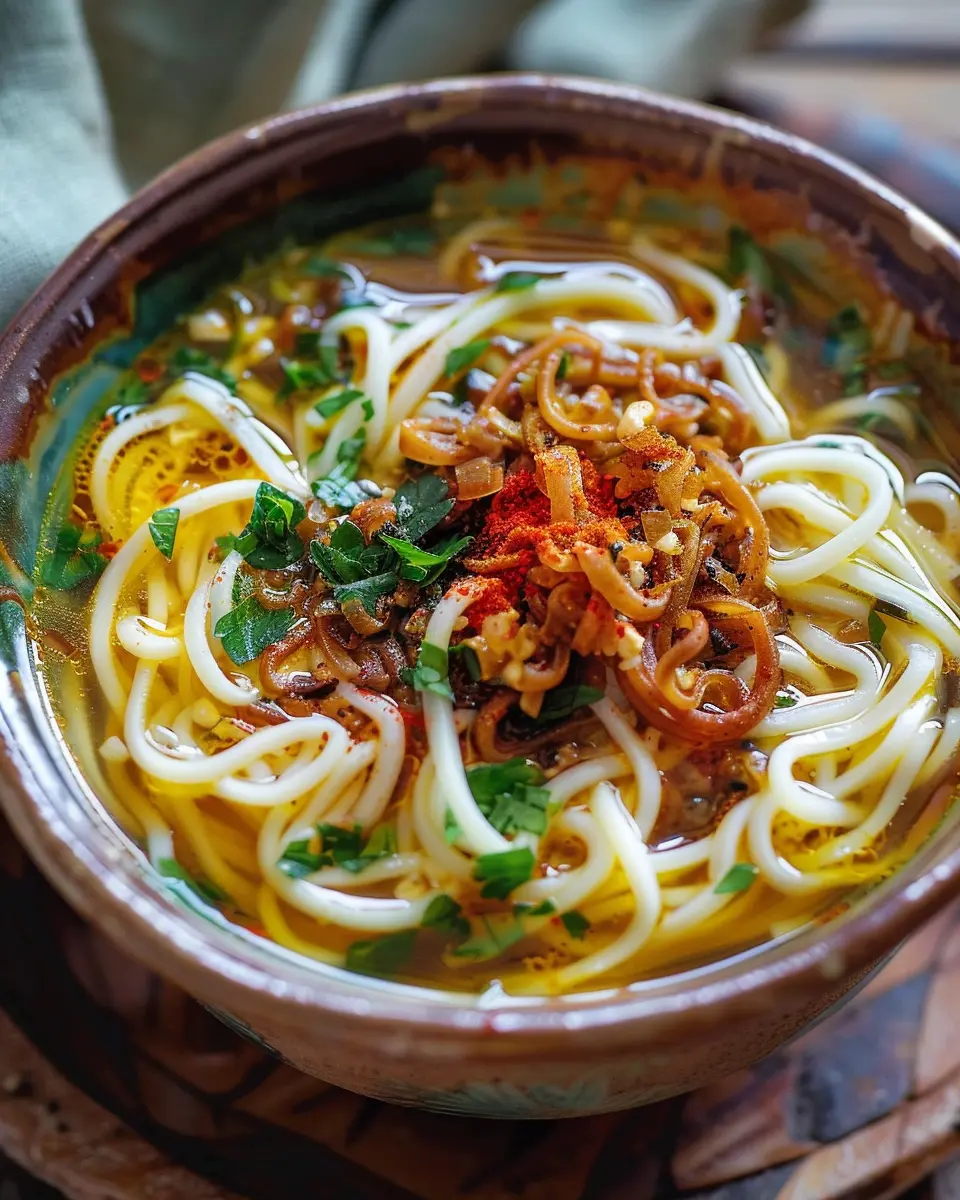
To create a delightful bowl of Persian noodle soup, also known as Ash Reshteh, gather these essential ingredients:
- Wheat noodles (Reshteh): These are the star of the dish; they provide that satisfying texture.
- Lentils: Green lentils add protein and a hearty vibe.
- Chickpeas: Canned or dried, these legumes give the soup an extra layer of creaminess.
- Fresh herbs: A mix of parsley, cilantro, and green onions adds freshness.
- Spinach: Perfect for a nutritious boost and vibrant color.
- Onions: Sautéed until golden brown, they create a flavorful base.
- Garlic: For that aromatic depth.
- Turmeric: This spice not only colors the soup but also adds warmth.
For a complete cooking experience, don’t forget to check out this guide to Persian cuisine for additional tips!
Optional toppings and variations
To elevate your Persian noodle soup recipe, consider these optional toppings and variations:
- Kashk (fermented whey): This gives a tangy flavor and richness.
- Sautéed garlic and onion: Added on top for extra crunch and flavor.
- Turkey bacon or chicken ham: Serve as a protein-packed topping for those who want a heartier option.
- Lemon: A squeeze of fresh lemon juice brightens the flavors beautifully.
Feel free to get creative with your toppings! Would you prefer crunchy walnuts or a splash of yogurt? The choice is yours!
Preparing Persian Noodle Soup
Making a cozy bowl of Persian noodle soup is not just about cooking; it’s an experience filled with rich aromas and delightful flavors. To get you started on this culinary journey, let’s dive into the steps to create this heartwarming dish that’s perfect for any occasion.
Gather and Prep Your Ingredients
Before we begin the cooking process, let’s gather and prep all the ingredients you’ll need. A well-organized kitchen can make your cooking experience so much smoother!
Here’s a handy list of ingredients for your Persian noodle soup recipe:
- 1 onion, finely chopped
- 2 cloves garlic, minced
- 1 large carrot, diced
- 1 stick of celery, diced
- 2-3 tablespoons olive oil
- 6 cups vegetable or chicken broth
- 1-2 cups shredded turkey bacon or chicken ham
- 1 cup of your favorite noodles (such as rice or egg noodles)
- Salt and pepper to taste
- Fresh herbs: parsley, cilantro, dill (chopped for garnish)
- Lemon wedges for serving
Once you have everything laid out, take a moment to wash and chop the vegetables. This prep work is critical and will save you time in the cooking process!
Sauté the Aromatics
Now that you have everything ready, it’s time to infuse your soup with delightful flavors.
In a large pot, heat the olive oil over medium heat. Add the finely chopped onions and sauté until they become translucent, stirring occasionally. This step helps release their natural sweetness, enriching the base of your Persian noodle soup.
Next, add the minced garlic, diced carrots, and celery. Sauté these for another 5 minutes until they soften, releasing their yummy aromas into your kitchen. There’s something magical about the scent of garlic and onion cooking together; it’s almost like a warm hug in the air!
Build the Soup Base
Once your aromatics are beautifully cooked, it’s time to create the rich soup base. Pour in the vegetable or chicken broth and bring everything to a gentle simmer. If you like your soup even heartier, you can add in the shredded turkey bacon or chicken ham at this stage. It offers a satisfying texture and a savory punch that elevates the dish.
Let the soup simmer for about 10 minutes, allowing the flavors to meld together. For a little added depth, you can always throw in a splash of lemon juice or even a dash of spice—perhaps some turmeric or coriander, which are common in Persian cooking.
Add Noodles and Cook to Perfection
Now comes the fun part! Pour in your chosen noodles and stir everything gently. Cooking the noodles in the broth is key, as they’ll absorb that delicious flavor. Make sure to follow the noodle package directions for cooking times, typically around 6-10 minutes, depending on the type of noodles you’ve chosen.
Keep an eye on them, and give the pot an occasional stir. Overcooked noodles can turn mushy, which is not ideal for our delightful Persian noodle soup recipe!
Incorporate Fresh Herbs and Finish the Soup
As your noodles reach the perfect al dente texture, it’s time to finish off your soup with fresh herbs. Adding parsley, cilantro, and dill just before serving gives a vibrant, aromatic touch that awakens the entire dish. Not only do herbs add nutritional benefits, but they also provide stunning visual appeal.
Once everything is combined, taste your soup and adjust the seasoning with salt and pepper as needed. Serve hot, garnished with extra herbs and lemon wedges for a bright, zesty lift.
Enjoy every spoonful of your homemade Persian noodle soup! For more tips and variations, consider checking out Persian Cuisine resources for additional recipes and inspiration.
Happy cooking!
Variations on Persian Noodle Soup
Vegan adaptations
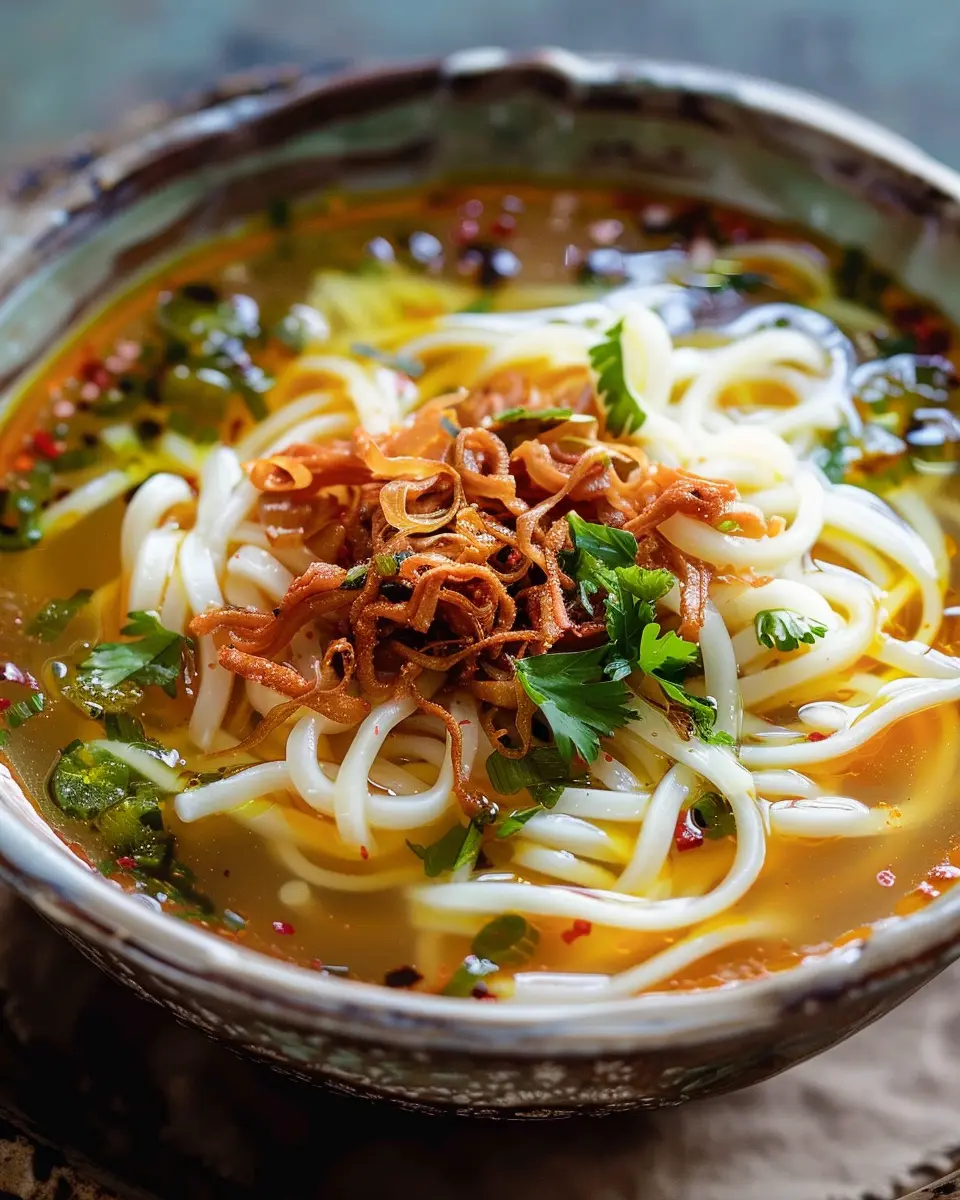
If you’re exploring a vegan version of this beloved dish, you’re in for a treat! Many traditional ingredients can easily be swapped out for plant-based alternatives. Instead of the usual meat or chicken ham, opt for tofu or chickpeas as a protein base. A rich vegetable broth serves as the perfect backdrop, enhanced by the umami flavor of soy sauce or tamari.
- Use whole wheat or gluten-free noodles as a satisfying, nutritious addition.
- Incorporate spinach, carrots, and zucchini for a vibrant medley of vegetables.
- Don’t forget to sprinkle fresh herbs like cilantro or parsley on top for that traditional Persian flair!
This vegan adaptation not only captures the essence of the classic Persian noodle soup but also stays true to a plant-based diet.
Regional twists on Ash Reshteh
The beauty of the Persian noodle soup recipe lies in its regional variations. Depending on the area, you’ll find different ingredients and flavors that reflect local tastes. In some regions, like Isfahan, locals might add a dash of pomegranate molasses for a fruity twist.
- In Mazandaran, you may encounter a lighter soup featuring local greens like sorrel or amaranth, creating a refreshing contrast.
- For a hearty experience, some areas incorporate lentils or beans into the mix, boosting the protein content and making it even more filling.
Feel free to experiment with these ideas! You can learn more about regional Persian dishes with resources like The Persian Pot for inspiration. No matter how you decide to customize it, one thing is for sure—bringing a bowl of this soup to the table is always a warm embrace.
Cooking Tips and Notes for Persian Noodle Soup
How to save time and simplify
Making a Persian noodle soup doesn’t have to be a lengthy process. To save time, consider prepping your ingredients in advance. Chop your vegetables and measure out spices the night before. Using pre-cooked turkey bacon or chicken ham can also speed things up while delivering great flavor. If you’re short on time, try cooking the noodles separately and adding them just before serving for quick assembly.
Common mistakes to avoid
Everyone makes mistakes in the kitchen, but with a few tips, you can ensure your Persian noodle soup recipe shines:
- Overcooking noodles: They can get mushy and ruin the dish. Always check for doneness before adding them to the soup.
- Under-seasoning: Don’t be afraid to taste as you cook. The flavors should be bold! A sprinkle of fresh herbs right before serving can elevate the dish immensely.
For more insights on flavor balancing, check out this guide on cooking tips from America’s Test Kitchen.
By keeping these points in mind, you’re well on your way to preparing a delightful Persian noodle soup that impresses friends and family alike. Happy cooking!
Serving Suggestions for Persian Noodle Soup
Traditional accompaniments
When diving into a delightful bowl of your homemade Persian noodle soup, consider serving it with a few traditional accompaniments that elevate the experience. A side of fresh herbs such as mint, basil, and cilantro adds a burst of color and flavor. Additionally, a sprinkle of lemon juice enhances the soup’s taste beautifully, offering a refreshing tang that balances the richness.
Flatbreads, like lavash or sangak, are excellent for dipping. You might find it delicious to enjoy your soup alongside yogurt seasoned with a dash of salt and dried mint, creating a creamy counterpart.
Creative serving ideas
For a modern twist on this classic dish, try incorporating various toppings to surprise your taste buds. Think crunchy fried onions or spiced chickpeas for added texture. Feel adventurous? Use Turkey bacon bits or chicken ham slices for a smoky kick!
Finally, consider pairing your Persian noodle soup recipe with a fragrant fruit-infused tea or a non-alcoholic pomegranate drink to complement the flavors perfectly. Not only does this enhance the meal, but it also adds an extra element of enjoyment that friends and family will appreciate.
For further inspiration, you can explore tips on perfecting noodle dishes at Serious Eats, or visit Bon Appétit for additional serving ideas!
Time Breakdown for Persian Noodle Soup
Preparation time
The beauty of this Persian noodle soup recipe lies in its simplicity. You’ll need about 20 minutes to gather and prepare your ingredients. Take your time to chop fresh vegetables, measure out spices, and ensure you have everything ready for a smooth cooking experience.
Cooking time
Once you’re prepped and ready, cooking the soup will take approximately 30-40 minutes. This allows the flavors to meld beautifully while ensuring the noodles cook to perfection.
Total time
In total, you’ll spend about 50-60 minutes from start to finish. Consider this time a delightful investment in creating a warm, comforting meal that not only nourishes but also captivates with its rich flavors. Cooking should be fun, so put on some music and enjoy the process! For additional tips on timing and preparation, check out resources like Cooking Light or Food Network.
Nutritional Facts for Persian Noodle Soup
When diving into a warm bowl of Persian noodle soup, it’s essential to know what’s nourishing your body. Here’s a quick snapshot of the nutritional benefits you can expect from this heartwarming dish.
Calories
A typical serving of Persian noodle soup contains around 250-300 calories, making it a wholesome option for a meal that won’t weigh you down. The use of fresh herbs and spices adds flavor without adding too many calories.
Protein
Thanks to the inclusion of chicken ham or turkey bacon, this soup provides approximately 15-20 grams of protein per serving. This protein punch helps keep you satiated and supports muscle repair after a busy day.
Fiber
With various vegetables and whole grains in the mix, you can enjoy about 5-7 grams of fiber in a bowl. This not only aids digestion but also contributes to a sense of fullness, making it a perfect meal for workdays or cozy evenings at home.
By choosing this nourishing option, you’re taking a step towards balanced health and delighting in the rich tapestry of flavors that a Persian noodle soup recipe has to offer. To explore more about healthy eating, you can check out sources like the USDA’s nutrition guidelines or the Harvard School of Public Health.
FAQs about Persian Noodle Soup
Can I make this soup ahead of time?
Absolutely! One of the great things about this Persian noodle soup recipe is that it actually tastes even better the next day as the flavors have more time to meld together. To prepare it in advance, simply follow the recipe until the point of adding the noodles. You can chill the base of the soup in an airtight container in the fridge for up to 3 days. When you’re ready to serve it, just heat the broth and add freshly prepared noodles for that perfect, comforting bowl.
How can I store leftovers?
If you find yourself with leftover soup, no worries! Store it in an airtight container in the fridge for up to 3 days. For longer storage, consider freezing the soup. Just make sure to freeze it without the noodles, as they can become mushy when reheated. Portioning the broth into individual servings can make it easier to thaw and enjoy later. When you’re ready to eat, reheat on the stove and cook fresh noodles to top it off.
What can I substitute for Persian noodles?
If you can’t find traditional Persian noodles, you have plenty of options! Try using rice noodles, egg noodles, or even whole wheat spaghetti as a substitute. All of these alternatives will capture the essence of the soup, while still providing that slurp-worthy satisfaction. For a gluten-free option, you could also go for zucchini noodles or shirataki noodles.
For more ideas on variations and substitutes, check out this link to noodle options for even more inspiration.
Ready to impress your friends and family with this delightful Persian noodle soup? Don’t hesitate to dive in!
Conclusion on Persian Noodle Soup
Recap of its wholesome goodness
In just one bowl of Persian noodle soup, you experience a symphony of flavors and textures. The combination of fresh herbs, succulent Turkey bacon, and nutrient-rich noodles creates a dish brimming with warmth and comfort. It’s not just a meal; it’s a nourishing embrace that can brighten any day. Packed with vitamins and minerals, every spoonful serves to fuel both body and soul.
Encouragement to try making it at home
Now that you’ve savored the enticing flavors of this Persian noodle soup recipe, why not bring that warmth into your own kitchen? Making this soup at home is easier than you’d think, and the delightful aromas will have your friends and family gathered around the table in no time. Plus, it’s a great way to impress guests or indulge a craving for something hearty and fulfilling. So roll up your sleeves and enjoy the incredible journey of creating your very own comforting bowl! For tips on cooking techniques, you might find resources like Serious Eats and BBC Good Food helpful as you embark on this flavorful adventure.
Print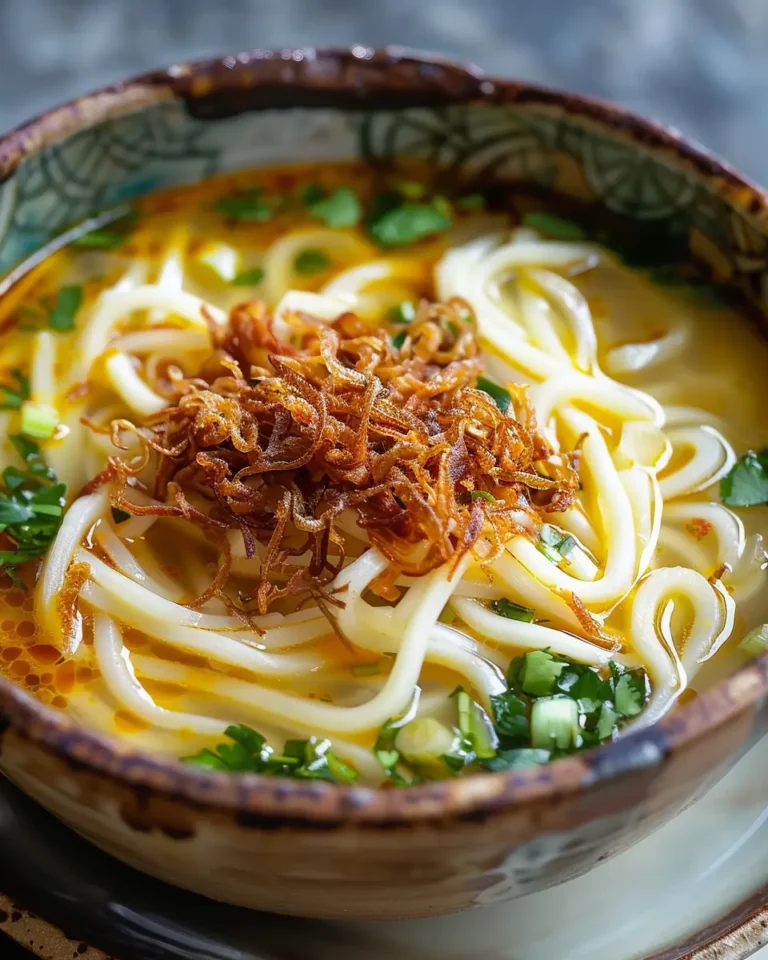
Persian Noodle Soup Recipe: A Cozy Comfort for Your Taste Buds
A delightful and warming Persian noodle soup that is perfect for any occasion.
- Total Time: 40 minutes
- Yield: 4 servings 1x
Ingredients
- 1 tablespoon vegetable oil
- 1 large onion, diced
- 2 cloves garlic, minced
- 1 teaspoon ground cumin
- 1 teaspoon turmeric
- 6 cups vegetable broth
- 1 can (15 oz) chickpeas, drained and rinsed
- 2 cups fresh spinach, chopped
- 2 cups egg noodles
- 1 tablespoon lemon juice
- Salt to taste
- Black pepper to taste
Instructions
- Heat the vegetable oil in a large pot over medium heat.
- Add the diced onion and cook until translucent.
- Stir in the minced garlic, cumin, and turmeric, and cook for another minute.
- Pour in the vegetable broth and bring to a boil.
- Add the chickpeas and spinach, and simmer for about 10 minutes.
- Stir in the egg noodles and cook until tender.
- Finish with lemon juice, salt, and pepper to taste.
Notes
- This soup is best served hot.
- Feel free to add other vegetables based on your preference.
- Prep Time: 10 minutes
- Cook Time: 30 minutes
- Category: Soup
- Method: Stovetop
- Cuisine: Persian
- Diet: Vegetarian
Nutrition
- Serving Size: 1 bowl
- Calories: 300
- Sugar: 2g
- Sodium: 800mg
- Fat: 10g
- Saturated Fat: 1g
- Unsaturated Fat: 8g
- Trans Fat: 0g
- Carbohydrates: 45g
- Fiber: 10g
- Protein: 12g
- Cholesterol: 0mg
Keywords: Persian Noodle Soup, Comfort Food, Soup Recipe